Introduction
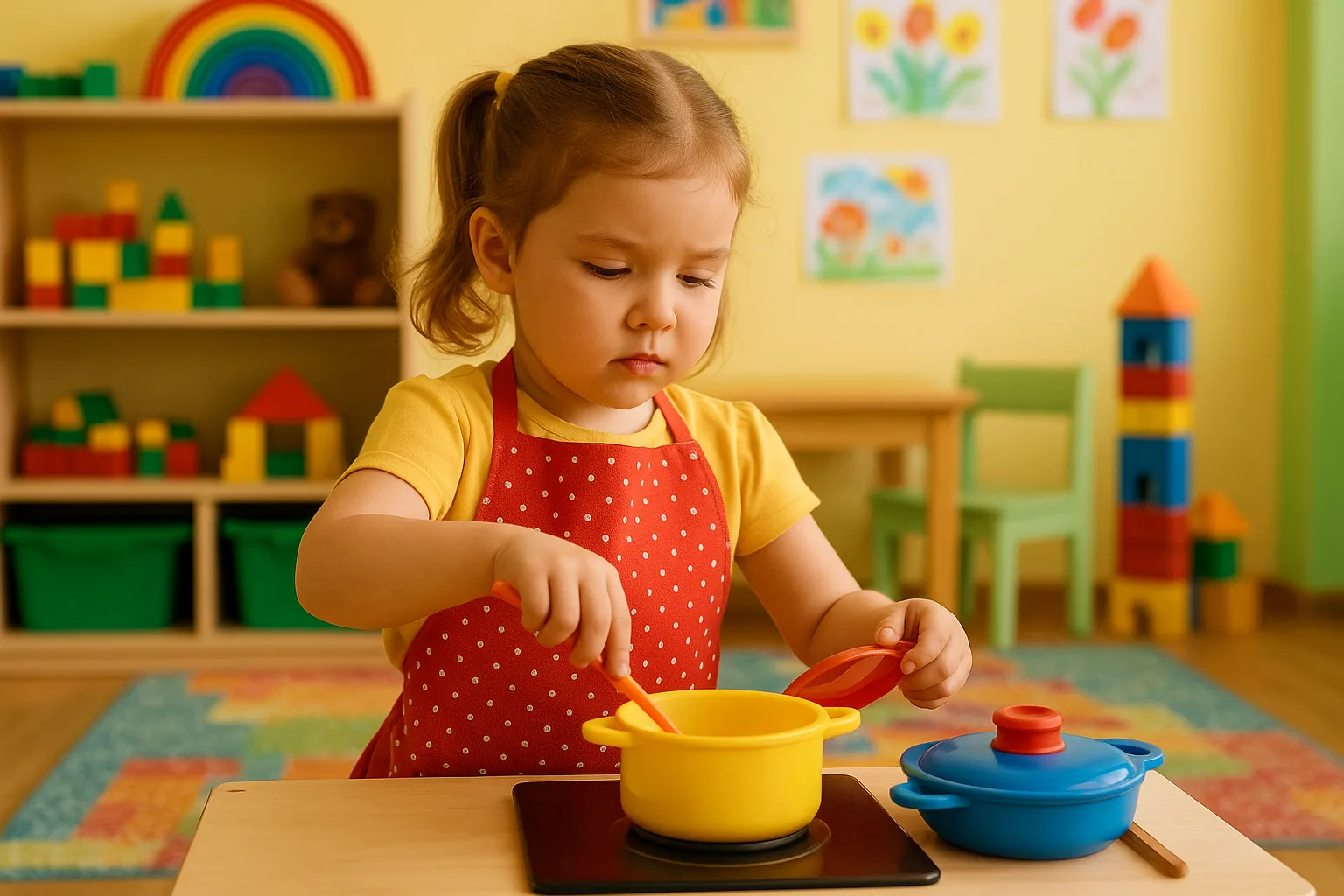
Raising a preschooler in Nizhny Novgorod and sending them to a municipal kindergarten is a formative stage for both child and family. This guide offers practical, locally relevant advice on preschool education, child development, and parenting—designed specifically for parents whose children attend municipal kindergartens in Nizhny Novgorod.
What a municipal kindergarten in Nizhny Novgorod offers
— Curriculum: Most municipal kindergartens follow the Federal State Educational Standard for Preschool Education (ФГОС ДО), emphasizing play-based learning, social skills, basic literacy and numeracy, artistic expression, and physical development.
— Daily routine: structured day with time for morning activities, educational games, outdoor play, meals, nap, and story/time with teachers.
— Staff and support: qualified caregivers, speech therapists, psychologists, and sometimes music and physical education instructors. Municipal institutions often coordinate with local health services and cultural programs.
What to expect in daily life
— Drop-off/pick-up procedures, sometimes with temperature checks or sign-in logs.
— Group activities (circle time, creative workshops), free play, guided learning, and outdoor time when weather permits.
— Communication through daily sheets, bulletin boards, or mobile apps used by the kindergarten for announcements and photos.
Supporting development at home
Focus on five core areas with simple, repeatable activities:
1. Speech and communication
— Read daily (10–20 minutes): picture books, Russian folk tales, short poems.
— Describe routines aloud: “We put on boots,” ask simple questions to build vocabulary.
— Play storytelling games: one sentence each turn builds narrative skills.
2. Fine and gross motor skills
— Fine: play with clay, threading beads, drawing, cutting with safety scissors.
— Gross: daily outdoor play, running, climbing in parks, simple ball games.
3. Cognitive skills and early literacy/numeracy
— Counting during play: stairs, snacks, toy cars.
— Sorting and matching games (by color, size, shape).
— Puzzles and construction sets to build problem-solving.
4. Social-emotional development
— Practice turn-taking games; role-play to label feelings (“I’m frustrated—let’s breathe”).
— Encourage responsibility with small tasks: putting toys away, dressing themselves.
5. Creativity and cultural awareness
— Singing songs, dancing, drawing.
— Introduce local culture: simple stories about Nizhny Novgorod landmarks, seasonal traditions.
Cooperation with teachers and municipal services
— Attend parent meetings and consultations; municipalities often provide group and individual sessions.
— Keep documentation up to date: birth certificate, medical card, vaccination records, and any required local forms.
— Join the parent committee if possible to stay informed and help shape kindergarten life.
— Use regular meetings with the pedagogical team to create individual support plans if your child needs extra help.
Health, safety and regulations
— Ensure routine medical check-ups and follow municipal/regional health recommendations for preschoolers.
— Provide a labeled change of clothes, indoor shoes, and seasonal outerwear.
— Inform staff about allergies, medications, or special needs; municipal kindergartens maintain procedures for health and emergencies.
Seasonal tips for Nizhny Novgorod parents
— Winters are cold: supply insulated boots, warm overalls, hats, mittens, and spare warm items. Moisture-resistant outerwear helps with snowy play.
— Spring and autumn: layered clothing for fluctuating temperatures and wet weather.
— Encourage outdoor play year-round—fresh air is central to preschool routines in Russian kindergartens.
Local resources and outings to enrich learning
— Parks and playgrounds along the Volga and local green spaces for nature walks and gross-motor activities.
— City children’s libraries and municipal cultural centers offer story hours and seasonal workshops.
— Museums with family programs (check municipal schedules) for age-appropriate excursions that complement kindergarten themes.
Practical checklist for kindergarten day
— Backpack with: spare clothes, indoor shoes (tapochki), water bottle, small towel if required, nap blanket/pillow if used, any prescribed medicines (with instructions).
— Label everything with your child’s name.
— Keep a simple home folder with copies of medical documents and emergency contact list.
Quick strategies for common challenges
— Separation anxiety: establish a short, consistent goodbye routine; a quick special hug/kiss and consistent teacher handover helps.
— Picky eating: offer new foods at home calmly, keep mealtimes social and without pressure; pack familiar snacks if permitted.
— Sleep issues: keep consistent bedtime, reduce screens before bed, mirror nap routine at home when possible.
Final notes
Municipal kindergartens in Nizhny Novgorod provide a strong foundation through structured routines, play-based learning, and community support. Active cooperation between parents and teachers, attention to health and seasonal needs, and playful learning at home help children thrive in these formative years. For specific municipal procedures, check your kindergarten’s notice board or the local department of education’s website for up-to-date information and services.