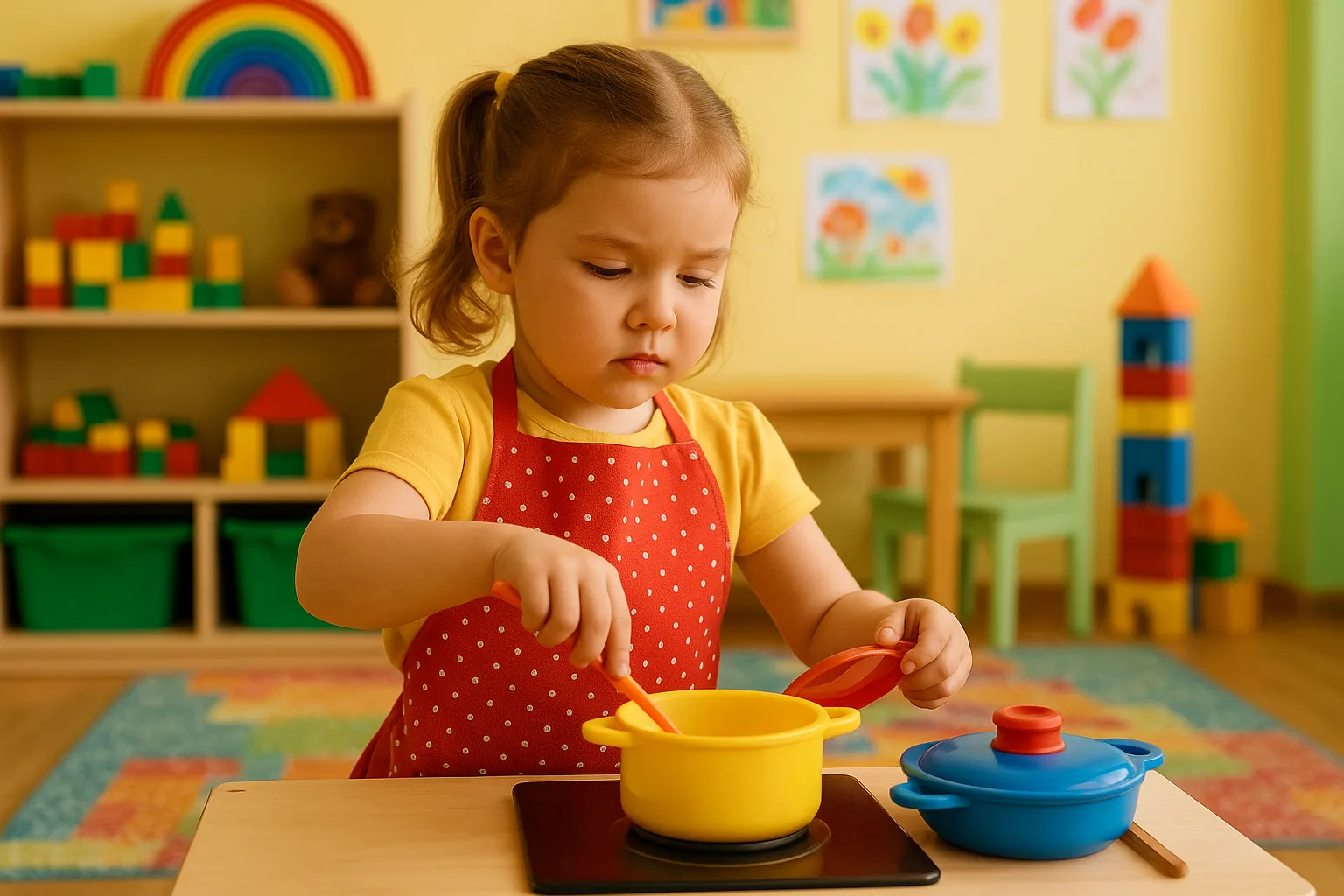
Introduction
Sending a child to a municipal kindergarten in Nizhny Novgorod is an important step for the whole family. Early childhood education builds foundations for learning, social skills, and emotional resilience. This guide offers practical, locally relevant advice for parents on supporting development at home, partnering with educators, and making the most of city resources.
Why preschool matters
— Early years shape language, motor skills, and social-emotional habits.
— Municipal kindergartens follow state standards (ФГОС ДО) and provide structured play-based learning, group interaction, and routine.
— Active parental involvement strengthens outcomes: children whose parents engage with teachers and reinforce learning at home adapt faster and feel more confident.
What to expect in a municipal kindergarten (Nizhny Novgorod context)
— Daily routine: free play, guided activities (art, music, physical education), meals, and rest.
— Emphasis on socialization—sharing, turn-taking, and group activities.
— Seasonal outdoor time: kindergartens in Nizhny Novgorod typically include walks along local green spaces and nearby playgrounds when weather permits.
— Regular communication with staff via meetings, notices, or parent boards.
How parents can support development at home
1. Establish a predictable daily routine
— Consistent wake-up, meals, play, and bedtime helps children feel secure.
— Morning routine tip: simple tasks (putting on shoes, hanging a coat) build independence.
2. Promote language and speech
— Read aloud daily: short stories, poems, and nursery rhymes. Use expressive voices and ask questions about pictures.
— Encourage conversation: ask open-ended questions about their day at kindergarten.
— Sing Russian children’s songs and recite short poems (Agniya Barto, Korney Chukovsky and simple folk rhymes are good starters).
3. Build fine and gross motor skills
— Fine motor: drawing, cutting with safety scissors, threading beads, simple crafts using paper, glue, and clay.
— Gross motor: daily outdoor play, running, climbing, ball games. In winter, supervised sledding and snow play (warm clothing and safe areas).
4. Foster social-emotional skills
— Model calm communication and name emotions: “You look upset because…”
— Role-play conflict resolution: practice saying “I’m sorry,” “May I have a turn?”
— Praise effort and small successes to build self-esteem.
5. Support cognitive development through play
— Puzzles, sorting games, counting objects during everyday tasks (setting the table: “We need four spoons”).
— Simple science exploration: observe leaves in autumn, compare snow textures, or grow a small plant on a windowsill.
Simple, low-prep activities you can do in Novgorod homes
— Sensory bins: dried beans, rice, or winter-themed boxes with safe objects to discover.
— Nature collage: collect leaves, pine needles, and small cones from walks near the Volga embankment and glue them onto paper.
— Story-making: take turns adding a sentence to create a silly story about a walk in the Nizhny Novgorod Kremlin.
— Mini-museum: use kitchen containers to sort items by color, shape, or size.
— Seasonal crafts: decorate hand-cut paper snowflakes in winter, make flower crowns in late spring.
Making the most of local resources
— Outdoor spots: Volga embankment, parks and playgrounds in your district—great for physical activity and observational learning.
— Cultural outings: visit a nearby local museum or gallery for a short, child-friendly visit (keep it brief and interactive).
— Community events: municipal kindergartens often organize seasonal celebrations and parent meetings—attend when possible to meet other families and teachers.
Working with kindergarten staff
— Communicate regularly: ask about your child’s day, progress, and tips for reinforcement at home.
— Share health and routine information: sleep, eating habits, allergies, and any recent changes at home.
— Volunteer or participate in parent committees if you can—this strengthens the kindergarten community.
— If you have concerns (speech delay, behavior, or learning difficulties), raise them early; kindergartens can usually advise next steps or refer specialists.
Sample weekly routine (simple template)
— Monday–Friday mornings: Breakfast → Outdoor play (20–30 min) → Guided activity (art/music) → Snack → Free play/group time
— Afternoons: Quiet time/nap → Story and language activities → Physical games → Family pickup and brief debrief with educator
— Weekend at home: One nature walk, one creative craft, one reading session, and one free-play day.
Practical tips for Nizhny Novgorod seasons
— Autumn: Use leaf collection for sensory and art projects; layer clothing for unpredictable weather.
— Winter: Dress in warm layers, choose safe sledding spots, and practice indoor gross-motor games when it’s very cold.
— Spring: Explore puddle-jumping and planting seeds; visit local parks as they reopen.
— Summer: Water play, berry-picking in safe locations, and short cultural trips to avoid long travel in heat.
Reassurance for parents
Every child develops at their own pace. The most effective support is a stable routine, warm relationships, and consistent communication with kindergarten staff. Celebrate small steps—learning to wait, to use words instead of hitting, or to put on a jacket—these are significant milestones.
Final suggestions
— Keep a simple folder with medical documents and contact numbers for the kindergarten.
— Maintain a short daily ritual of asking about “one good thing” that happened at kindergarten—this reinforces positive memories and communication.
— Connect with other parents in your district to share tips, swaps of toys/books, or organize joint playdates.
If you’d like, I can create a printable weekly routine, a list of 30 read-aloud books suitable for preschoolers in Russian, or a short set of themed activity plans for each season in Nizhny Novgorod. Which would be most useful?